

How to study for the IB: Study tips from Oxbridge Graduates
The International Baccalaureate (IB) Diploma Programme is widely known for its academic intensity. In contrast to many school qualifications that place importance predominantly on final examinations, in addition to their final examinations, which are typically common to several subjects, students undertaking the IB must balance a more complex array of components from coursework, internal assessments and extended research.
For many students, the problem is not so much how difficult the work is but how wide-ranging what they have to juggle at once can be. Higher Level subjects are in-depth, Standard Level subjects require consistent performance, and core components such as Extended Essay, Theory of Knowledge (TOK), and CAS add further workload.
The good news is that students who perform well in the IB rarely rely on natural ability alone. Success tends to come from organisation, consistent effort, and study strategies that match the structure of the programme. Over time, certain habits appear again and again among high-performing students. These habits help them stay in control of the workload and prepare effectively for the final exams.

IB Grades Explained: What is a Good IB Score for Top Universities?
If you're an IB student, or the parent of one, understanding how IB grades are calculated and what universities actually look for is essential. The IB Diploma is one of the most rigorous pre-university qualifications in the world, recognised by leading institutions across the UK, US, and beyond. But the grading system can feel opaque, especially when university offers are expressed not just as a total score, but with specific Higher Level requirements and core component expectations.
This guide breaks down everything you need to know: how the 45-point scoring system works, what counts as a competitive score for different types of universities, why your choice of Higher Level subjects matters as much as your total points, and what to do if your results don't go as planned.
Whether you're just starting the Diploma Programme and planning your subject choices, or you're approaching results day and trying to understand where you stand, this article will give you the clarity you need to make informed decisions about your IB journey and your university application.

National Service and UK University Applications: What Singaporean Students Need to Know
For Singaporean boys, planning for university requires taking into account National Service (NS). This can be frustrating. Many families are uncertain about deferment and when to apply to optimise chances of getting into their dream university. There are a lot of questions around how long you can defer entry, whether candidates are allowed to apply multiple times and how to take leave for admissions tests and interviews.
This article explains how National Service affects UK university applicants, what deferment means in practice and how Singaporean boys can plan strategically to maximise their opportunities.

How to Prepare for the ESAT: Complete 2026 Guide
For students applying to Engineering or Science degrees at top UK universities, the ESAT (Engineering and Science Admissions Test) is one of the most important yet widely misunderstood parts of the UK admissions process. In today’s climate, strong A level, IB or AP grades are no longer good enough on their own and do little to distinguish candidates. Universities increasingly use admissions tests like the ESAT to separate between candidates who are able to apply scientific concepts flexibly and those who can only reproduce familiar methods.
This article breaks down what the ESAT actually tests, how universities use it and how students can prepare and excel in this critical part of the admissions process.

Is Private Tutoring Worth It?
In recent years, private tutoring is becoming increasingly common, not just for students with bad grades, but also for those aiming to transform their grades from A to an A*. Academic competition is fiercer than ever before, and classroom sizes at school may be too big for teachers to provide individualised attention for each student. In such an environment, first class tutors can provide services that fill this gap by providing tailored teaching for students, matching their pace, their strengths and weaknesses.

Are Oxbridge Admissions Consultants Worth it?
Applying to Oxford or Cambridge can be a very overwhelming process, even for students who are academically strong. The process is different from most other university applications in the UK, as are additional admissions tests, earlier deadlines, and interviews that assess far more than grades alone. For parents and students encountering this process for the first time, it’s often difficult to know what really matters and what sort of preparation is most valuable.
What a lot of families don’t realise is that Oxbridge admissions are specially designed to identify students who will flourish in a very specific academic environment. Strong grades are certainly a prerequisite, but insufficient alone. Understanding how the system works and how to prepare for it can make all the difference between an accept and a reject. This is where Oxbridge admissions consultants can be particularly useful as a source of both insight and informed guidance.

Oxford Admissions Tests Are Changing: 2026/27 Cycle
You might already have seen headlines about changes to Oxford’s admissions tests. This can be unsettling, particularly if you have already been planning your university applications. What’s important to understand however is that while Oxford is making significant changes to its admissions testing from 2027 entry onwards, the underlying purpose of these tests remains the same. Oxford isn’t lowering standards, nor is it making the admissions process easier or harder overnight. Instead, it’s changing how candidates are assessed in response to broader shifts in UK university admissions.

What to Do After an Oxford or Cambridge Rejection: A Step-by-Step Guide
Receiving a rejection from Oxford or Cambridge can be deeply disappointing. For many students, the application comes from years of academic effort, preparation, and a dream or vision of what they hoped university life would look like. It is therefore natural to feel discouraged, frustrated, or uncertain about what comes next.
What’s important is to understand that rejection from Oxford or Cambridge is neither unusual, nor is it a judgment on your intelligence, potential or long-term prospects. Acceptance rates are low and competition is global. Every year, way more academically outstanding candidates apply than there are places available. Many strong applicants are therefore unsuccessful despite doing everything right.
If that describes you, then this article is for you. Here we outline what an Oxbridge rejection actually means, how to think clearly about your next steps, and how to decide whether reapplying is the right strategic choice for you.

IB Results Day: What to Do If Your IB Results Are Lower Than Expected
Opening your IB results to find scores below what you had hoped for is genuinely difficult. You have worked diligently for two years, and it’s natural to feel disappointed or frustrated about what comes next, especially if you scored below your university offer. However, what many students don’t realise is a lower-than-expected IB score does not immediately mean the end of your university options.
After receiving disappointing IB results, acting quickly is important. Drawing on our experience helping students navigate Oxbridge and other competitive UK admissions, we will break down your practical next steps in the rest of this article and by the end, you’ll have a clear action plan that turns uncertainty into momentum.

How to Apply to UK Universities as an American Student?
What is it that draws American students to study in the UK? Is it the beautiful architecture of ancient universities like Oxford and Cambridge, with buildings dating back almost a thousand years? Perhaps it’s the pedigree of British institutions that are centres of discovery?
Whatever your reasons for looking to study in the UK, it’s important to understand that the UK and US college admissions processes are fundamentally different in many ways and awareness of the two systems is imperative to securing your place at your dream university.

How to Apply to Cambridge as an International Student
Cambridge, consistently ranked among the top universities globally, accepts only the most academically exceptional applicants who dream of studying at this historic institution. This global recognition naturally creates an exceptionally competitive admissions process. International students, representing over 20% of the undergraduate population, compete alongside top candidates from around the world. The admissions process for international applicants involves additional complexities as they are expected to demonstrate both cultural adaptability alongside academic excellence.

How to Choose Between Oxford and Cambridge: The Complete 2026 Guide
“Oxford vs Cambridge–how to choose?” This question has sparked endless debate among prospective students worldwide navigating UK universities. With only one application allowed between the two, deciding whether to apply to Oxford or Cambridge University can feel like a high-stakes dilemma.
The differences between Oxford and Cambridge go beyond their historic rivalry, and while both universities consistently rank among the world’s top institutions, understanding their distinctions is crucial for making the right choice for your academic goals.
This complete 2026 guide will help you compare the key differences between Oxford and Cambridge, from subject offerings and teaching methods, to city atmosphere and admissions processes, so you can confidently decide which university to choose.
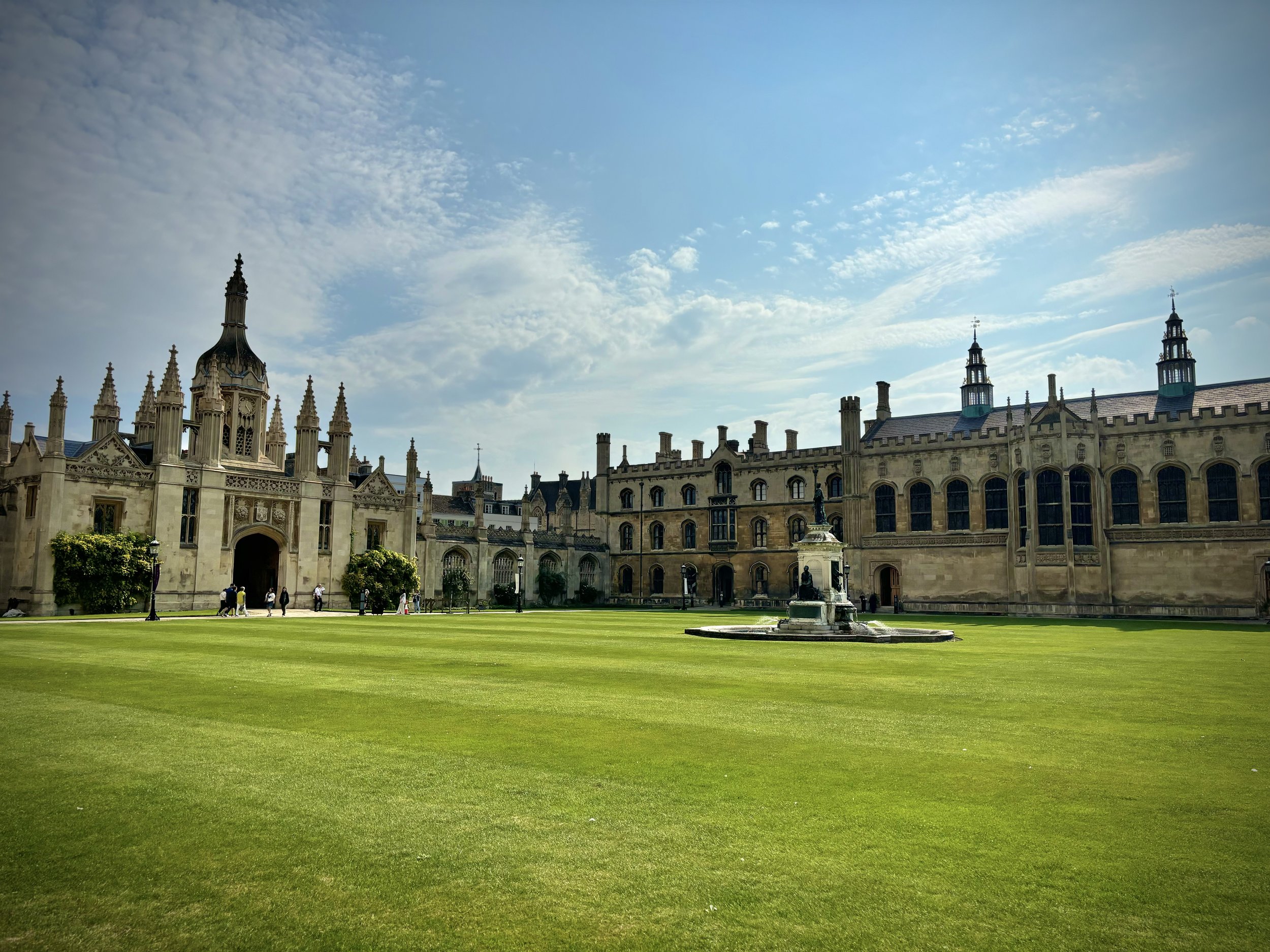
How to Choose a Cambridge College
Choosing a Cambridge college is an important decision for prospective students applying to the University of Cambridge in 2025. With 29 undergraduate colleges to choose from, each offering unique strengths, social environments, and traditions, selecting the right Cambridge college can significantly impact your university experience. This comprehensive Cambridge college guide provides essential insights into admission statistics, college rankings, and key factors to help you make an informed decision about which Cambridge college to apply to.

How to Choose an Oxford College
With Oxford college applications for 2025 entry opening soon, understanding which Oxford college to apply to has never been more critical. There are 36 undergraduate colleges, each offering unique traditions, academic strengths, and student experiences that can dramatically impact your university journey.

How to Write a UCAS Personal Statement: Complete 2026 Guide for University Admission
Writing your UCAS personal statement can feel daunting, especially for international students navigating the UK university applications process for the first time. Alongside your academic grades, your personal statement is what admissions tutors at leading institutions like Oxford, Cambridge, and other Russell Group universities use to determine whether you are the right fit for their competitive courses.