

Is Private Tutoring Worth It?
In recent years, private tutoring is becoming increasingly common, not just for students with bad grades, but also for those aiming to transform their grades from A to an A*. Academic competition is fiercer than ever before, and classroom sizes at school may be too big for teachers to provide individualised attention for each student. In such an environment, first class tutors can provide services that fill this gap by providing tailored teaching for students, matching their pace, their strengths and weaknesses.

Are Oxbridge Admissions Consultants Worth it?
Applying to Oxford or Cambridge can be a very overwhelming process, even for students who are academically strong. The process is different from most other university applications in the UK, as are additional admissions tests, earlier deadlines, and interviews that assess far more than grades alone. For parents and students encountering this process for the first time, it’s often difficult to know what really matters and what sort of preparation is most valuable.
What a lot of families don’t realise is that Oxbridge admissions are specially designed to identify students who will flourish in a very specific academic environment. Strong grades are certainly a prerequisite, but insufficient alone. Understanding how the system works and how to prepare for it can make all the difference between an accept and a reject. This is where Oxbridge admissions consultants can be particularly useful as a source of both insight and informed guidance.

What to Do After an Oxford or Cambridge Rejection: A Step-by-Step Guide
Receiving a rejection from Oxford or Cambridge can be deeply disappointing. For many students, the application comes from years of academic effort, preparation, and a dream or vision of what they hoped university life would look like. It is therefore natural to feel discouraged, frustrated, or uncertain about what comes next.
What’s important is to understand that rejection from Oxford or Cambridge is neither unusual, nor is it a judgment on your intelligence, potential or long-term prospects. Acceptance rates are low and competition is global. Every year, way more academically outstanding candidates apply than there are places available. Many strong applicants are therefore unsuccessful despite doing everything right.
If that describes you, then this article is for you. Here we outline what an Oxbridge rejection actually means, how to think clearly about your next steps, and how to decide whether reapplying is the right strategic choice for you.

Architecture UCAS Personal Statement Examples (2026 Guide)
Writing a strong architecture personal statement for UK university applications can feel challenging, especially for students who have never had to write one before. In the 2024/25 admissions cycle, Cambridge received 526 applications for Architecture and accepted only 64 students, an acceptance rate of just 12%. At UCL in the 2023/24 admissions cycle, the Bartlett School of Architecture received 3152 applications and accepted only 210 students, an acceptance rate of just 6.7%, making it one of the most competitive architecture programmes in the UK.
With competition this intense, your personal statement needs to capture admissions tutors' attention immediately. In this comprehensive guide, we'll analyse architecture personal statement examples for university UK applications, showing you exactly what separates outstanding statements from mediocre ones.

Psychology UCAS Personal Statement Examples (2026 Guide)
Writing a strong psychology personal statement for UK university applications can feel overwhelming, especially for students who have never had to write one before. For those targeting top universities, Oxford received approximately 402 applications for Experimental Psychology in the 2024/25 admissions cycle and accepted only 55 students, an acceptance rate of just 14%. At Cambridge, the Psychological and Behavioural Sciences acceptance rate was even more competitive at around 8.6% in 2024/25, with approximately 837 applications resulting in around 72 students accepted.
With competition this fierce, your personal statement needs to capture and keep the admissions tutors' attention. In this comprehensive guide, we'll analyse psychology personal statement examples for university UK applications, showing you exactly what separates outstanding statements from mediocre ones.

Biology UCAS Personal Statement Examples (2026 Guide)
Biology admissions are more competitive than ever, with top universities like Oxford, Cambridge, and Imperial accepting only a small percentage of applicants. Oxford received 731 applications for Biology in the 2024/25 admissions cycle and accepted only 109 undergraduates, a success rate of only 15%. Cambridge's Natural Sciences programme had an acceptance rate of 22% in 2024/25, accepting only 569 undergraduates from 2,529 applicants.
The difference between successful and unsuccessful applications lies in demonstrating genuine intellectual curiosity through biological exploration using specific experimental or research examples, rather than generic statements about biology being fascinating or life-saving. Students who secure places on leading biology programmes show admissions tutors they're already thinking like biologists: analytically, experimentally, and with deep appreciation for molecular mechanisms, evolutionary principles, and the complexity of living systems.

Physics UCAS Personal Statement Examples (2026 Guide)
Writing a standout physics personal statement for UK university applications can feel overwhelming, especially for students who have never had to write one before. Oxford received 1,518 applications for Physics in the 2024/25 cycle and accepted only 173 students, an acceptance rate of just 12%. At Cambridge, Physics falls under the Natural Sciences umbrella and had an acceptance rate of 23% in 2024/25, with approximately 2,529 applications resulting in 569 accepted undergraduates.
With competition this intense, your personal statement needs to capture admissions tutors' attention immediately. In this comprehensive guide, we'll analyse physics personal statement examples for university UK applications, showing you exactly what separates outstanding statements from mediocre ones.

Geography UCAS Personal Statement Examples (2026 Guide)
Writing a compelling geography personal statement for UK university applications can feel overwhelming, especially for students who have never had to write one before. For those targeting top universities, Oxford received 290 applications for Geography in the 2024/25 admissions cycle and accepted only 88 students, an offer rate of just 28%. At Cambridge, the Geography acceptance rate was 23% in 2024/25, with approximately 437 applications resulting in around 101 students accepted. With competition this intense, your personal statement needs to capture admissions tutors' attention immediately. In this comprehensive guide, we'll analyse geography personal statement examples for university UK applications, showing you exactly what separates outstanding statements from mediocre ones.

What the 2025 UCAS Personal Statement Changes Mean for You
From the 2025/2026 admissions cycle onwards, UCAS (University and Colleges Admissions Service) are implementing the first major change to the personal statement format since their formation in 1993. This change, understandably, has caused panic and worry among students, teachers, and parents because seemingly the playbook on how to write an exceptional personal statement might have to be rewritten. Parents may feel like they no longer can help their children through the admissions process that they themselves participated in.
This article will therefore provide the most useful changes to students, teachers, and parents with an outline of the changes as well as our own suggestions in writing strategy as consultants who have helped hundreds of students write personal statements for their dream university.
How to Apply to UK Universities as an American Student?
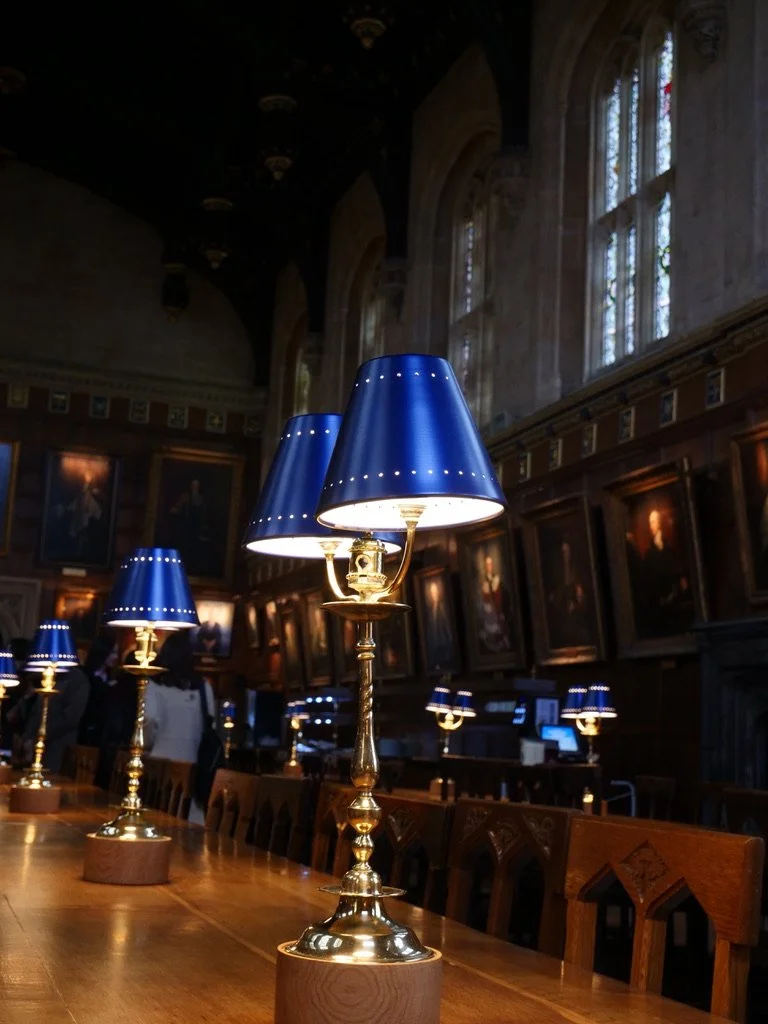
What is it that draws American students to study in the UK? Is it the beautiful architecture of ancient universities like Oxford and Cambridge, with buildings dating back almost a thousand years? Perhaps it’s the pedigree of British institutions that are centres of discovery?
Whatever your reasons for looking to study in the UK, it’s important to understand that the UK and US college admissions processes are fundamentally different in many ways and awareness of the two systems is imperative to securing your place at your dream university.

Maths UCAS Personal Statement Examples (2025 Guide)
Writing a standout mathematics personal statement for UK university applications can feel overwhelming, especially for students who have never had to write one before. Oxford received 1,929 applications for Mathematics in the 2024 cycle and made only 200 offers, an offer rate of just over 10%. At Cambridge, the Mathematics acceptance rate was 33% in 2023/24, with 1,588 applications resulting in 524 offers. With competition this intense, your personal statement needs to capture admissions tutors' attention immediately. In this comprehensive guide, we'll analyse mathematics personal statement examples for university applications, showing you exactly what separates outstanding statements from mediocre ones.

History UCAS Personal Statement Examples (2025 Guide)
Writing a standout history personal statement for university applications can feel overwhelming, especially for students who have never had to write one before. With over 23,000 students applying to top universities like Oxford for approximately 3,300 undergraduate places, competition is fierce. Your personal statement needs to capture admissions tutors' attention immediately. In this comprehensive guide, we'll analyse history personal statement examples for university applications, showing you exactly what separates outstanding statements from mediocre ones.

Engineering UCAS Personal Statement Examples UK (2026 Guide)
Crafting an exceptional engineering personal statement for UK university admissions can seem daunting, particularly for first-time applicants. When thousands of candidates compete for a limited number of places, your statement must immediately engage admissions tutors. The challenge intensifies at leading UK institutions in 2024/25, where Oxford Engineering admits merely 15% of applicants, Cambridge Engineering accepts just 12%, and Imperial's Electrical and Electronic Engineering has an acceptance rate of only 6.6%.
In this comprehensive guide, we'll analyse general engineering personal statement examples for university UK applications, showing you exactly what separates outstanding statements from mediocre ones.

Computer Science UCAS Personal Statement Examples UK (2025 Guide)
Writing a personal statement for UK university applications can feel overwhelming, especially if you're applying for a course as competitive as Computer Science at a top institution like Oxford or Cambridge. The statistics tell the story: in the 2024/25 admissions cycle, Oxford received 881 applications and accepted just 56 students, a success rate of only 6%. Cambridge was similarly selective, with 1,863 applications and 141 acceptances, resulting in a 7.6% success rate.
With thousands of students competing for limited places, your personal statement needs to capture admissions tutors' attention immediately. In this comprehensive guide, we'll analyse personal statement examples, showing you exactly what separates outstanding statements from mediocre ones.

Economics UCAS Personal Statement Examples UK (2025 Guide)
Writing a strong economics personal statement for UK university applications can feel overwhelming, especially when facing some of the most competitive admissions in higher education. The numbers are stark: Oxford's Economics and Management programme received 1,517 applications in 2024/25 and accepted just 83 students, a 5% success rate. Cambridge Economics had 1,571 applications with 161 acceptances (10% success rate), and LSE received 3,731 applications and admitted only 224 students, resulting in a 6% acceptance rate.
With thousands of students competing for limited places, your personal statement needs to capture admissions tutors' attention immediately. In this comprehensive guide, we'll analyse personal statement examples for university UK applications, showing you exactly what what separates outstanding statements from mediocre ones.

Chemistry UCAS Personal Statement Examples UK (2025 Guide)
Writing a standout personal statement for UK university applications can feel overwhelming, especially if you’re applying to universities as competitive as Oxford and Cambridge. With thousands of students competing for limited places, your personal statement needs to capture admissions tutors' attention immediately. In this comprehensive guide, we'll analyse real personal statement examples for UK university applications, showing you exactly what separates outstanding statements from mediocre ones.

Medicine UCAS Personal Statement Examples UK (2025 Guide)
Writing an outstanding medicine personal statement for UK universities is crucial for securing a place at top universities. With acceptance rates as competitive as 8% at leading institutions like Oxford, Cambridge, and Imperial, your personal statement must demonstrate exceptional analytical thinking, understanding of medical principles, and commitment to studying medicine.
In this comprehensive guide, we will analyse medicine personal statement examples, showing you exactly what separates successful applications from rejected ones.

Law Personal Statement Examples UK (2026 Guide)
Writing an outstanding law personal statement for UK universities is crucial for securing a place at top institutions. Oxford's Law programme accepted approximately 15% of applicants in 2024, Cambridge around 17%, and LSE's Law courses are similarly competitive with acceptance rates around 12-14%. With thousands of academically excellent students competing for limited places, your personal statement must demonstrate exceptional analytical thinking, genuine engagement with legal principles, and understanding of how law operates in practice.
In this guide, we'll show you law personal statement examples and explain exactly what makes them strong or weak candidates.

How to Apply to Cambridge as an International Student
Cambridge, consistently ranked among the top universities globally, accepts only the most academically exceptional applicants who dream of studying at this historic institution. This global recognition naturally creates an exceptionally competitive admissions process. International students, representing over 20% of the undergraduate population, compete alongside top candidates from around the world. The admissions process for international applicants involves additional complexities as they are expected to demonstrate both cultural adaptability alongside academic excellence.

How to Ace an Oxford or Cambridge Interview: Complete 2026 Guide
While most UK universities make admissions decisions based on grades and personal statements, Oxford and Cambridge add one more crucial hurdle: the interview. Oxbridge uses a different teaching method than what you're used to in high school, requiring interviews to assess whether you will thrive in their intensive one-on-one teaching environment.
The interview is the most critical part of your application because it directly tests your ability to think, discuss, and learn in the same way you'll be expected to as a student. This makes the interview your best opportunity to prove you're not just academically capable, but genuinely suited to their unique educational approach.